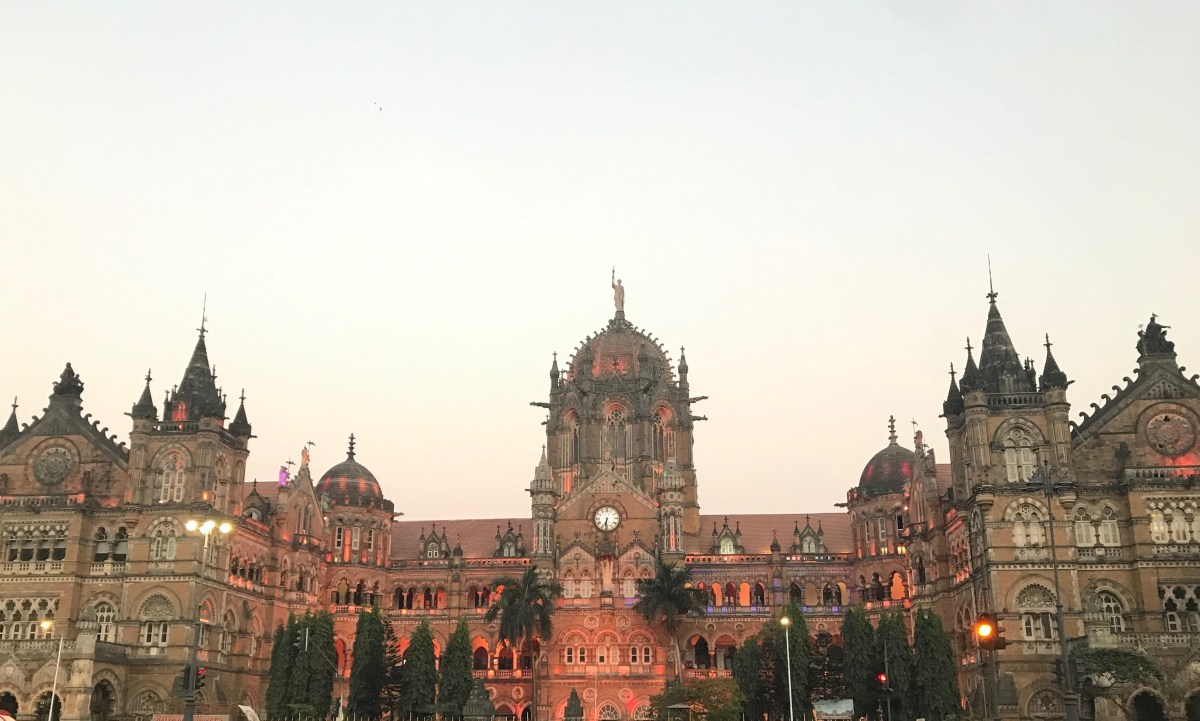
Hectic, with a fast beating pulse and a furious life force, Mumbai is a city of hustlers and dreamers. There’s an entrepreneurial spirit coursing through its streets.
A city of multiple histories and identities, it’s constantly labouring to balance its past and present. Fast-forwarding towards the future too, carrying most with it but inevitably leaving some behind.
It’s a city with food at its core. Where the timing of meals breaks down and hunger reigns free. You’re spoilt for choice in Mumbai, street food vendors and restaurants abound: you’re never far away from a meal.
Life here is lived on the streets. Food and drink enjoyed at a pavement stall while standing, stories passed and lives shared at street corners. Time enjoyed in maidans (sports grounds) and parks, places with a history of revolution and shaping the city. The streets are adorned, and sometimes choked, with the stands of hawkers selling anything and everything you might need. And like with most of Mumbai, this exists for locals rather than tourists.
Like any city, it’s not without it’s problems. Inequality, with Mumbai home to the world’s most expensive house, remains an issue; this city has half of it’s population living in slums. Life’s not as different there as you may initially think, people pay rent, have jobs, own businesses, go to school, and live their lives, but the luxury of space and privacy is harder to come by and so the streets see even more of their inhabitants lives. Pollution is another major issue, in a city that’s racing towards the future the streets are also choked by the smog and pollution of progress.
That being said, Mumbaikers care about the future and their city and you can see the efforts to fight against plastic waste and pollution, and to foster creativity and freedom in a country that can still be thought of as repressive. This is a city that’s looking towards the future and is celebrating what it means to be Indian and it’s often a joy to behold.
Jump to:
What we got up to
With so much to do and see in Mumbai it can often seem overwhelming. To be fair though, half of the joy of Mumbai is just wandering around and seeing what you find.
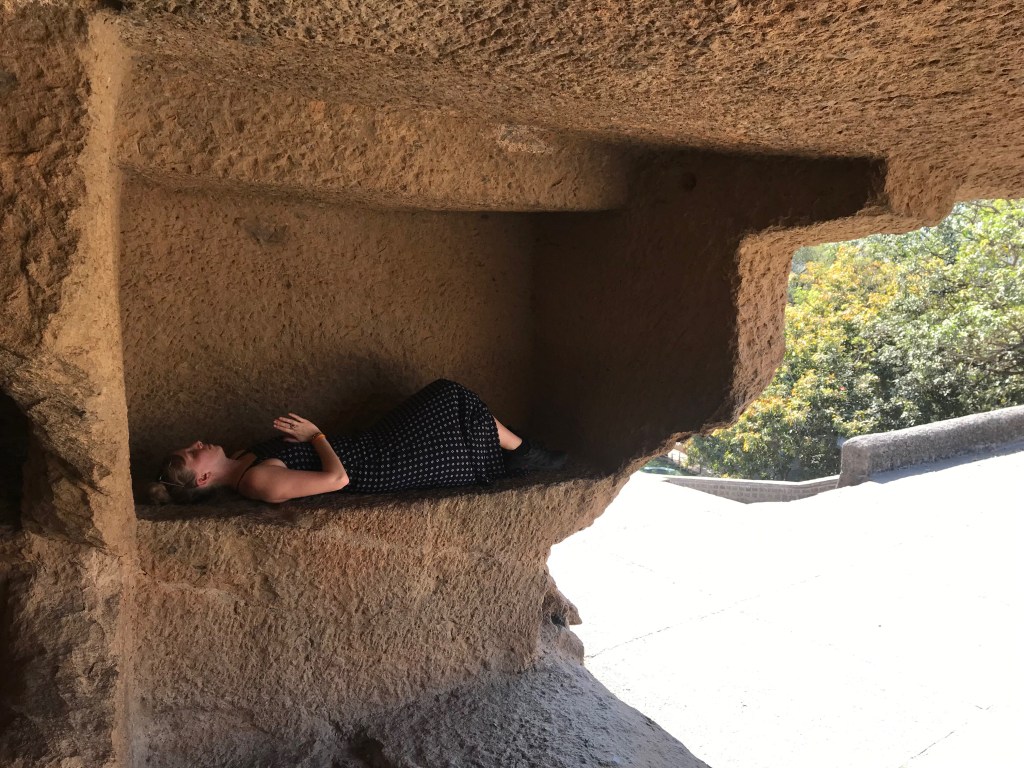
The first day we were staying up in Chakala. We knew nothing of Mumbai when we booked this and it turned out to be a business district. It was cool to see another side of Mumbai but if you’re thinking of where in the city to stay then I wouldn’t recommend here. However, we had a lovely day walking through the suburbs up to the Mahakali caves, a set of dwellings and monasteries from the 1st century BCE to 6th century CE, carved into a rocky outcropping at the top of a hill.
The next day we got our first taste of the trains in Mumbai. We caught the super shiny metro, perched above the city, across to the East at which point we changed onto the old school (more exciting!) trains. These are the trains you hear about when people mention Mumbai, no doors, often rammed, people jumping on and off at stations without waiting for them to fully come to a stop.
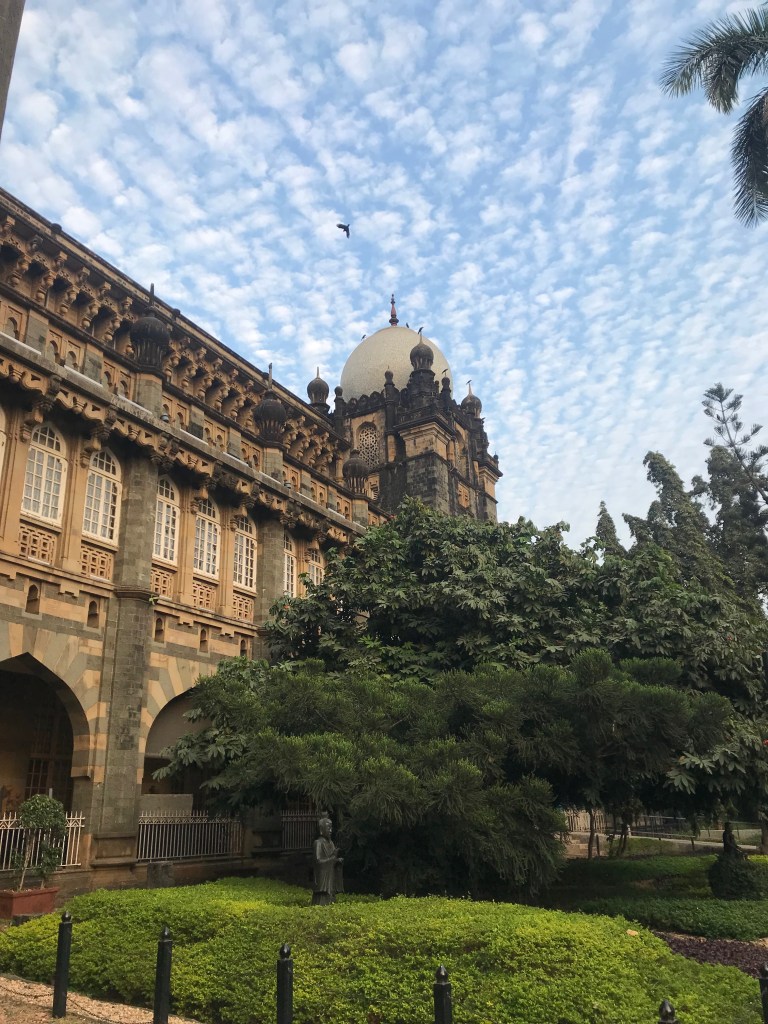
The next four days we spent in the area called Fort. This is the old heart of the city, resplendent with colonial-era architecture. Walking around Fort, and down into Colaba, keep your eyes up! This was sightseeing central for us, most of the time spent wandering the area and taking it in. We also used this time to check out the magnificent Chhatrapati Shivaji Maharaj Vastu Sangrahalaya (It’s a bit of a mouthful to us Brits! It used to be called the Prince of Wales Museum and we still call it that). Here’s an imgur link to some of the glories housed at this museum: https://imgur.com/gallery/Rxl1ejM
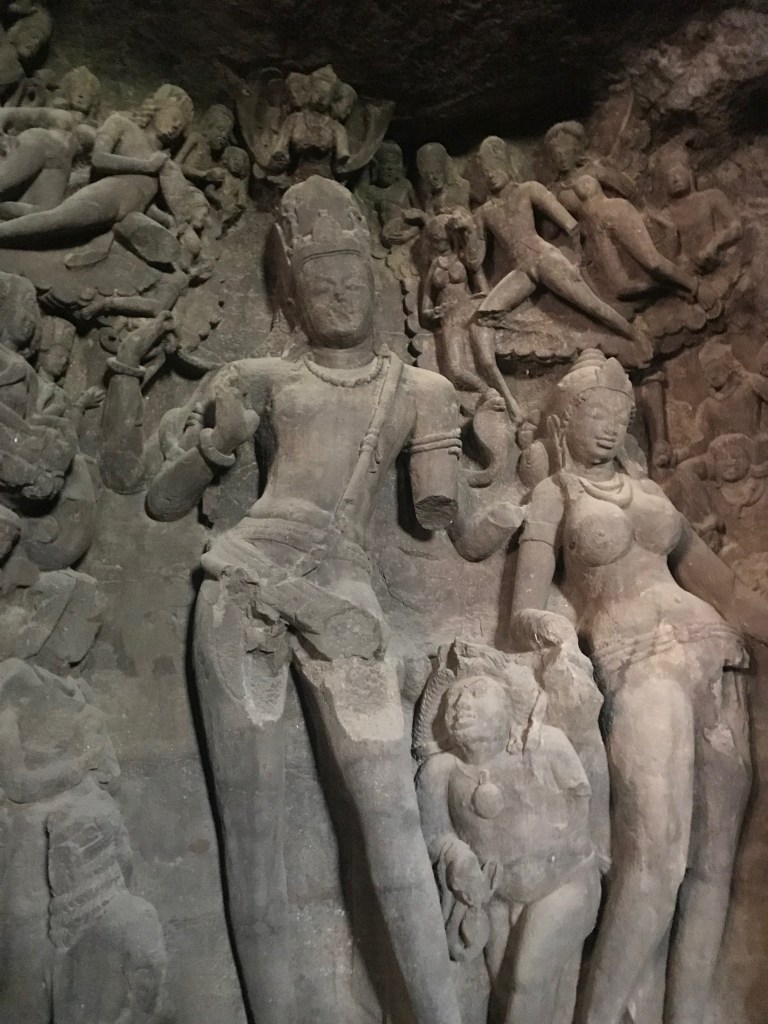
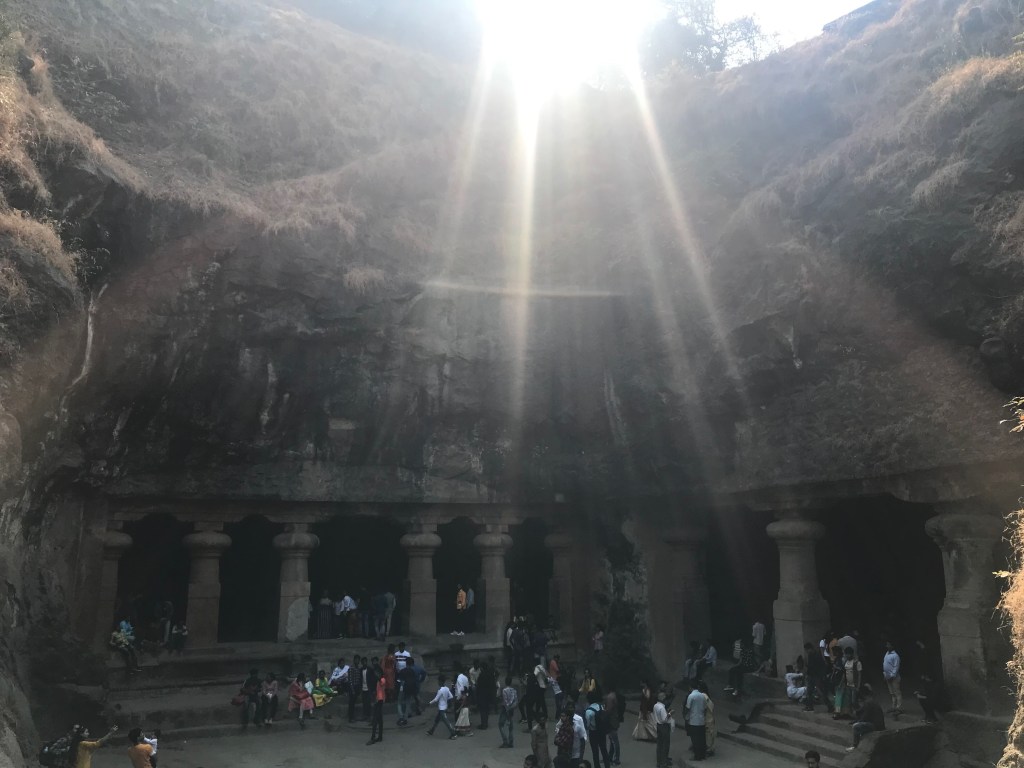
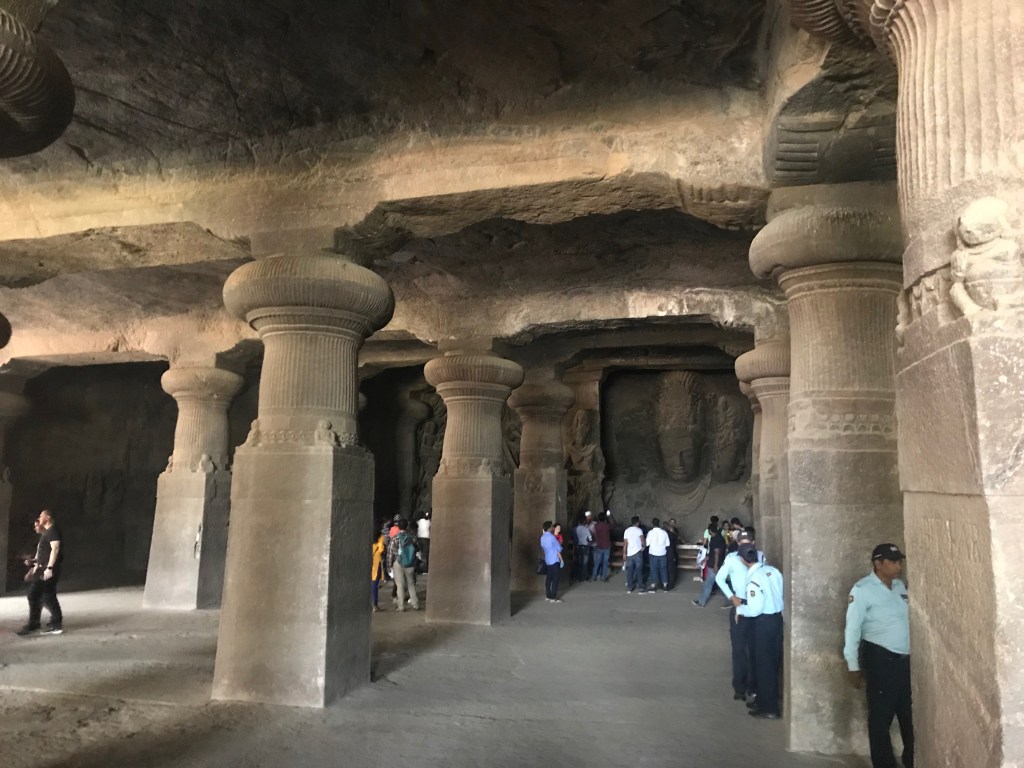
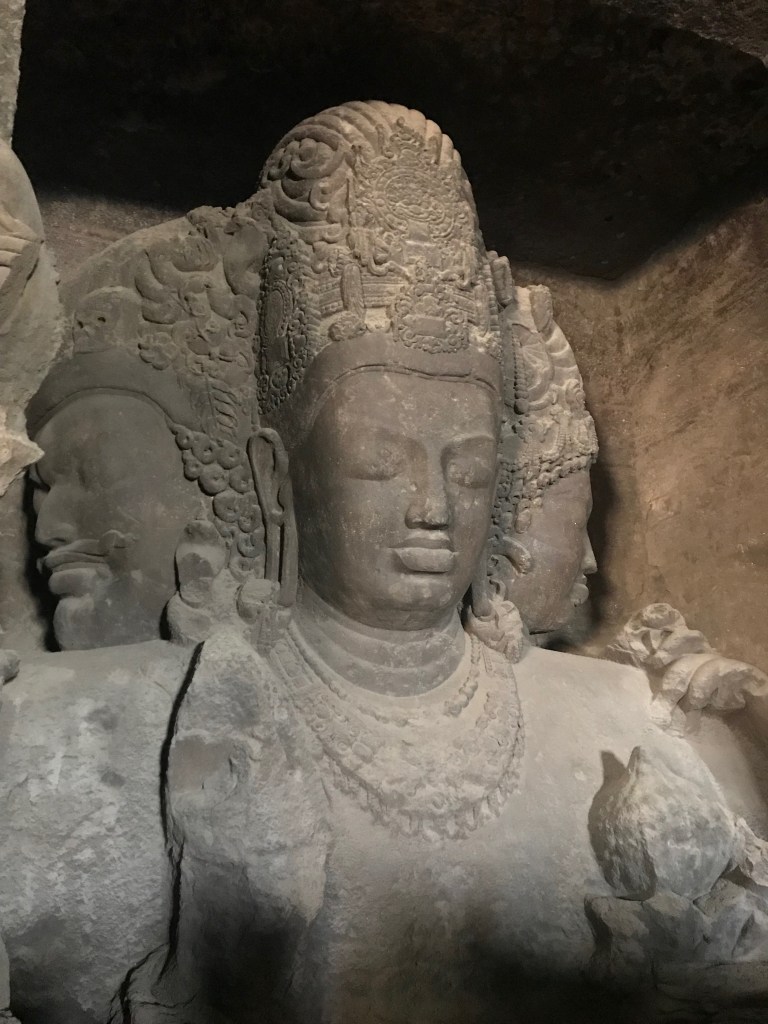
Fort is also a great base to catch the ferry to the UNESCO World Heritage Site of Elephanta Island (well, technically the caves on the island). Not in the flow of the Indian calendar yet we accidentally chose Republic Day to go so it was absolutely rammed, or more so than usual at least! These caves are well worth a visit if you’re in Mumbai, preferably on a non-holiday day or a weekday if you can. It’s an hour long boat ride each way, and we were lucky enough to see the Indian navy signalling midday on Republic Day with a 12 shot cannon salute. There’s more than one cave on the island but really there’s only one worth checking out. The star of the show and the amazingly intricate main cave, with huge 18 foot carvings of Shiva.
Next we headed up to the Western Suburbs to check out what life was like outside of the centre. We stayed in Vile Parle, which was cheaper but on the Western line and well connected to the other suburbs. A good chunk of our time here was spent checking out Juhu and its beach and Bandra and its bars. We also got the chance to check out the ISKCON temple in Juhu, which was an exuberant clash of colours, noise, joy, and jumping. Well worth going to at prayer time if you can. If money’s not a worry then I’d say stay in Bandra or Juhu if you’re checking out up here.
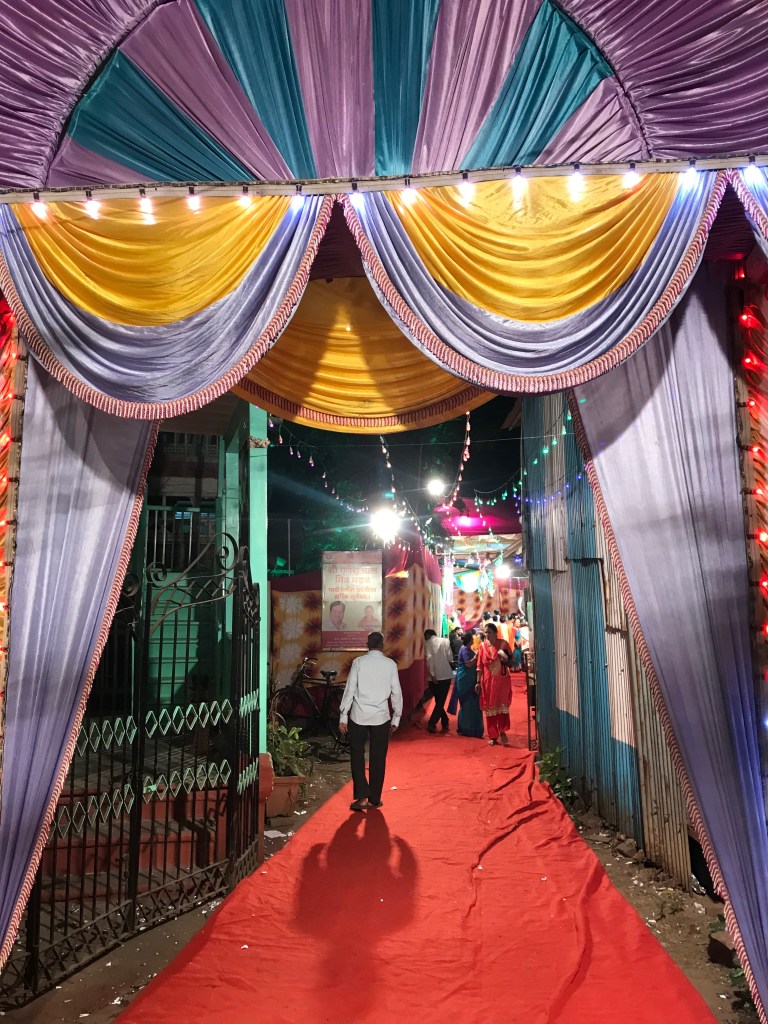
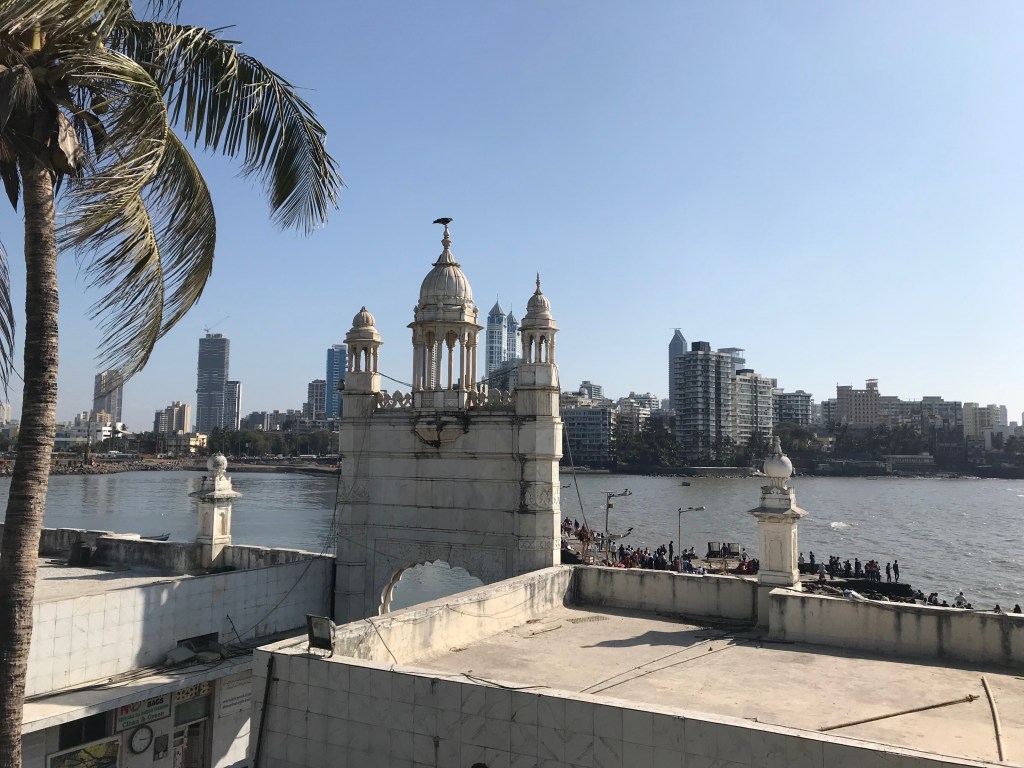
Our four days in Vile Parle also gave us an excellent chance to explore the Kalbadevi and Mahalaxmi area, just above Chowpatty beach. This is a great part of town with loads of stuff to see, including the Dobhi Ghat which is the world’s largest open air laundry. Other cool stuff here includes the Haji Ali Dargah, a mosque on a spit off the mainland with the entrance controlled by the tides, the Mahalaxmi temple, which is gaudy and inviting in typical Hindu temple style, the Hanging Gardens, offering a welcome respite from the hectic Mumbai streets, Chowpatty beach and it’s delicious pav bhaji stalls, and Khotachiwadi, a quaint old Portuguese enclave that is like stepping back in time out of the hustle of Mumbai. It was in Khotachiwadi that we accidentally wandered into a birthday party for the Hindu god Ganesh and ended up getting blessed and enjoying some of the festivities!
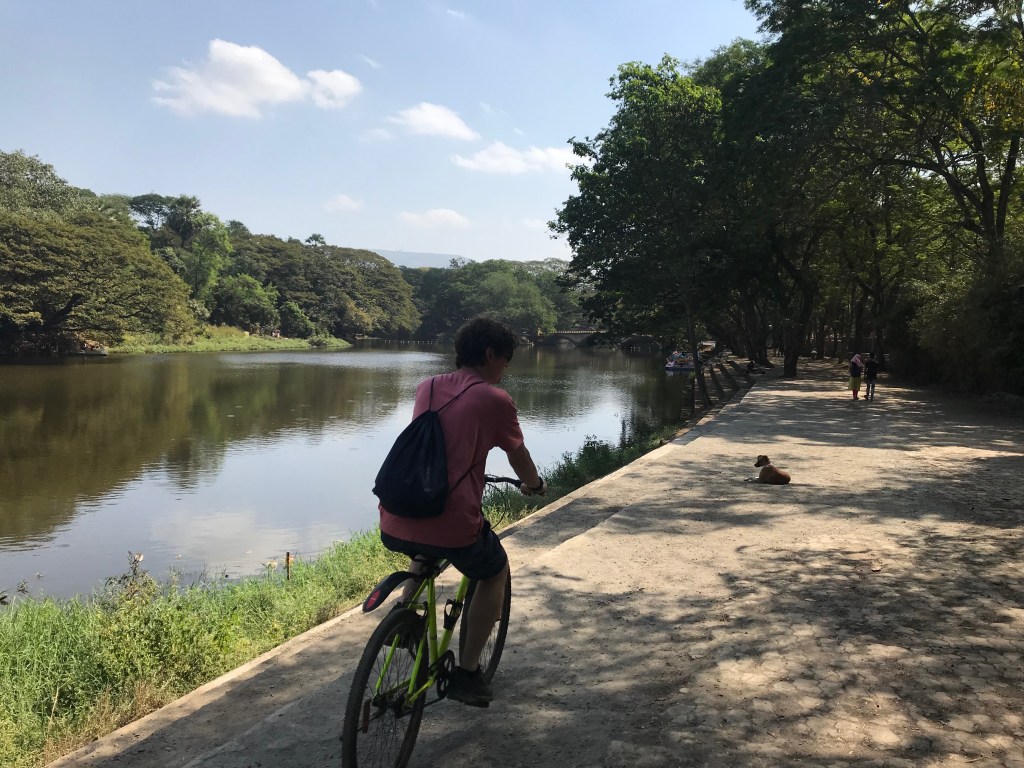
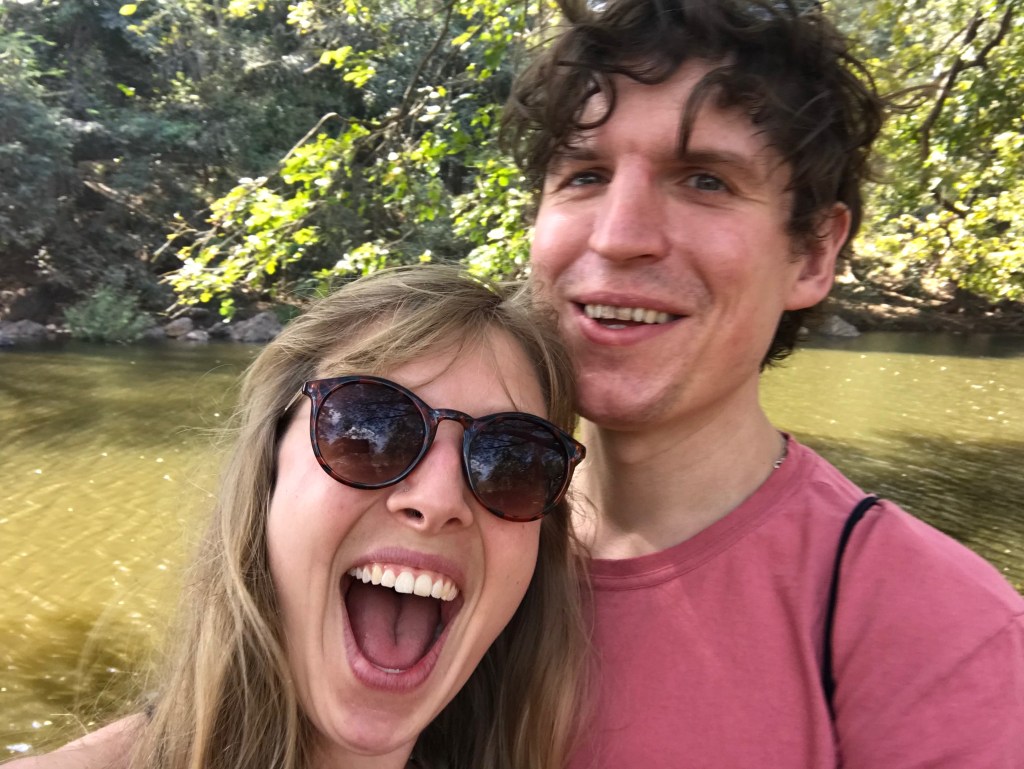
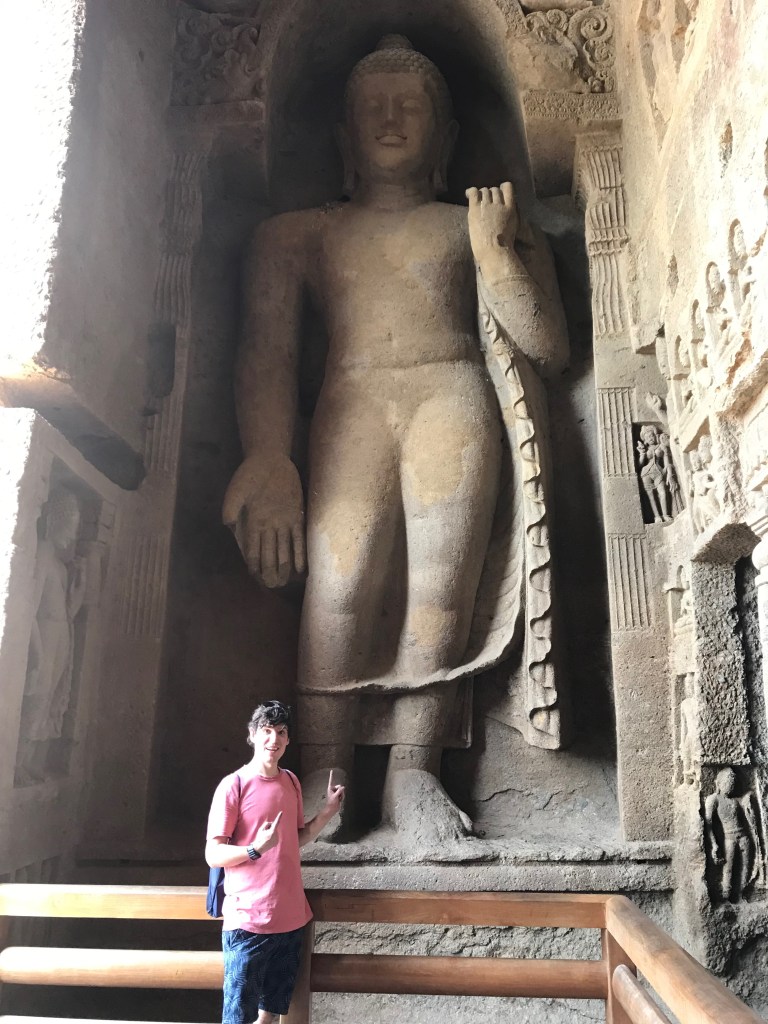
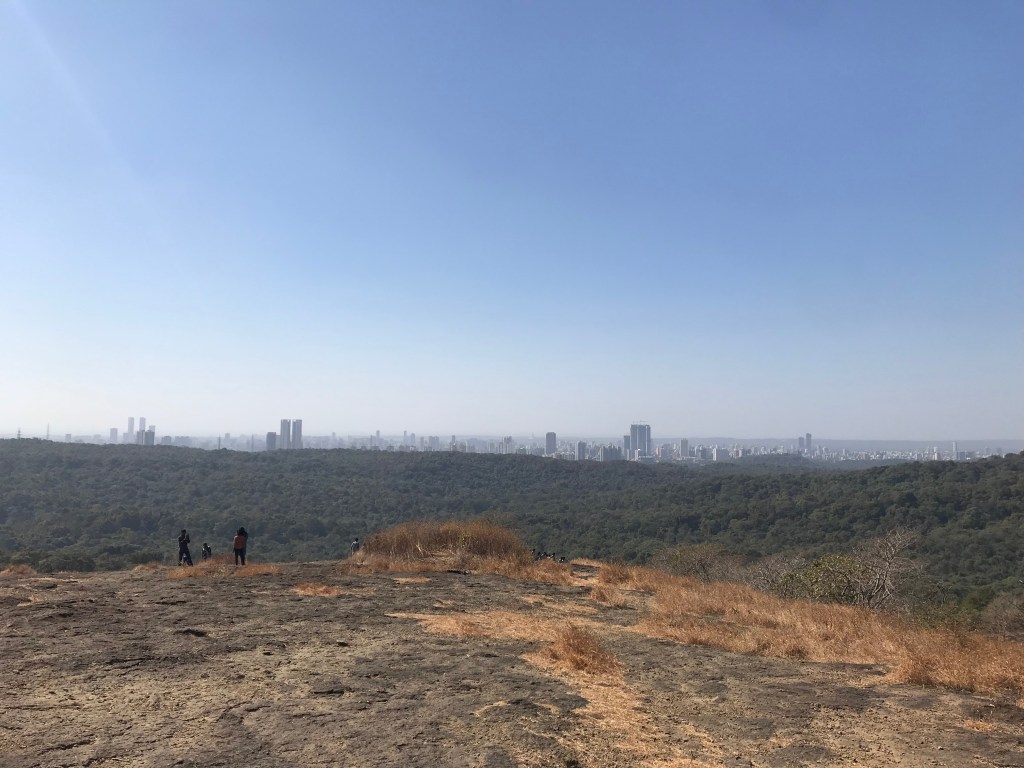
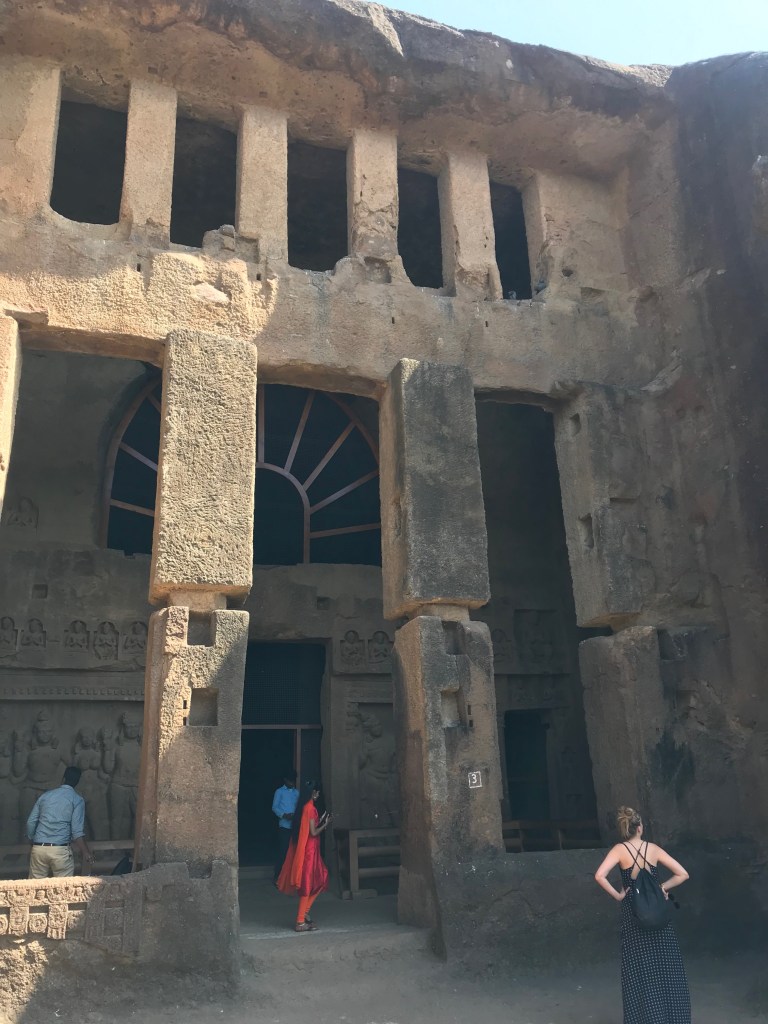
On another of our days in the suburbs we got the train up to the Sanjay Ghandi National Park, the 6th biggest urban park in the world. This place is a biodiversity hotspot located entirely within the metropolis of Mumbai and is a protected area. At the centre of the parks is the Kanheri cave complex, a vast area of hundreds of caves spanning the hills and dating from the 1st century BCE to the 11th century CE. We hired some bikes and made the 10k cycle up to these, which is a great way to see the park although the cycle back down was definitely easier! Other stuff included a boating lake (worth it) and a mini railway (not worth it).
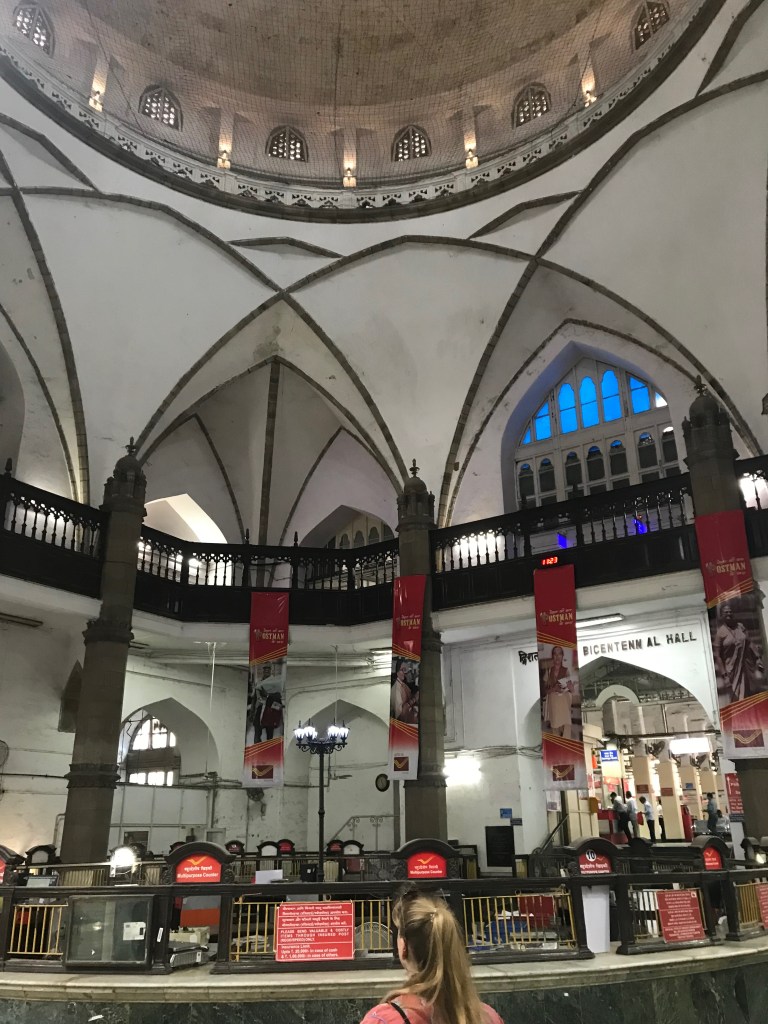
Our last day in Mumbai was spent back down in Fort, checking out Sassoon Docks, a working fishyard, tying up loose ends, and going to the biggest post office I’ve ever seen! Much as I loved Mumbai, after 10 days we’d both had enough of hectivity, pollution, and noise and were ready to leave.
Food & Drink
Mumbai is a foodie heaven, with good restaurants and street food on literally every corner. It’s a city with a diverse melting-pot of people from across India, and so you can taste food from around the sub-continent here.
Our favourite restaurants include:
- Trishna -In the hip Kala Ghoda neighbourhood, this classic Hyderabadi restaurant does great seafood and biryanis. Try the fish tikka.
- Dakshinayan -Right by Isckon Juhu, this restaurant does great food from Tamil Nadu is nestled away inside a hotel. The rasam is excellent and is highly recommended as a starter and they make some of the best dosas we’ve had so far!
- Samrat – A great Gujarati place that will strike a cord with anyone familiar with the decor of old school Indian restaurants across the world. Get the thali, it’s a cavalcade of chutneys, curries, dhals and dahi, with a glorious selection of freshly cooked breads followed by rice and khichdi, and two sweets.
- Pancham Puriwala – This place has been going for over a century, serving puri bhaji to hungry locals. Sit on the communal benches, get served as a group and enjoy some of the best puri (deep fried, puffed up bread) in the city.
- Brittania & Co – If you want to enjoy some Parsi food then this is one of the best in Mumbai. Order the berry pulao and marvel at the fresh balance of flavours.
- Shamia – This is a little roadside cafe in Juhu where they made a very nice veg taka and the best butter naan we’ve ever had! It was soft inside, sweet, and perfectly cooked.
Street food wise, the best thing to do is to keep an eye on the locals. If they’re eating there, it’ll be good, but if they’re avoiding a certain vendor then you should too. Mumbai is famed for it’s Khau Gallis, literally ‘eat lanes’, which are streets packed with street food vendors and hungry revellers. Here’s a video from one of the best, SNDT to Cross Maidan:
Mumbai’s street food is so good that many people think it’s on a par with, or sometimes better than, the restaurants. Street food really brings the city together, people of different classes, backgrounds, gender, and religions all eat side by side and are passionate about their favourites.
The street is where the melting-pot really comes to life. People from all over India have brought their recipes, tastes, and food to the city. And Mumbai has answered, creating a host of unique and original street food dishes.
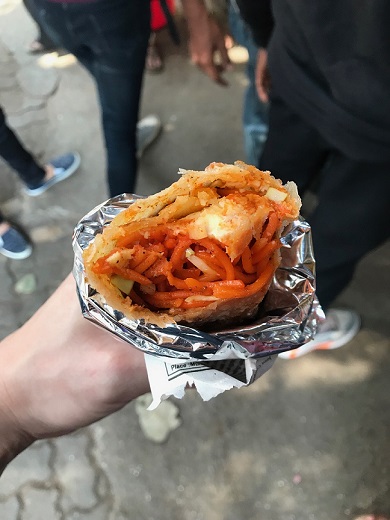
One of these dishes, and probably my favourite bit of street food I ate in Mumbai, is the frankie. Pictured here is a noodle and cheese frankie but you can buy them with all sort of fillings. First originating in 1969 in Mumbai, the original had a potato masala filling but quickly adapted to suit all tastes. Freshly cooked to order and wrapped in a roti heated with ghee, these are a delight.
Other Mumbai originals include:
- Vada Pav – A now almost ubiquitous Indian snack of deep fried potato dumpling in a bun.
- Bombay sandwich – Stuffed with a variety of fillings between two slices of bread with butter and grilled on both sides. Topped with grated cheese and served with a chilli sauce.
- Bhel Puri – A blend of puffed rice, diced vegetables, and a tangy sauce. Every vendor makes it slightly differently.
- Pav Bhaji – A mashed vegetable curry in a thick gravy served with a bread roll and a butter floater.
Mumbai is a city with a long and storied drinking culture and so you’ll find lots of areas great for drinking and offering some interesting places to kick back and meet some new people. Mumbai is expensive compared to the rest of India though and drinking in Mumbai can wind up draining your wallet. You can find places that will sell you a kingfisher for ₹150 (£1.60), and we had some great times in bars like this, but if you want anything else then you’ll find that it’s often a luxury pursuit.
Colaba has a load of bars, but they’re mostly touristy. Kala Ghoda nearby is really cool, 145 is a good bar there that makes a great mojito. While in Kala Ghoda, there’s a great cafe called the Kala Ghoda Cafe that makes a masala coffee, with ginger, turmeric, and honey in a cappuccino. I’d never had anything quite like it, highly recommended.
The Western Suburbs are where it’s at in terms of bars though. In Bandra you have Bonobo, a super cool rooftop bar, with an entrance hidden away in a secret alley elevator and serving a good selection of craft beers and cocktails. Toto’s (also in Bandra) is a great little bar where you’ll always end up meeting someone new. It’s garage themed, with a car above the bar, and is a great place to kick back and enjoy some beers.
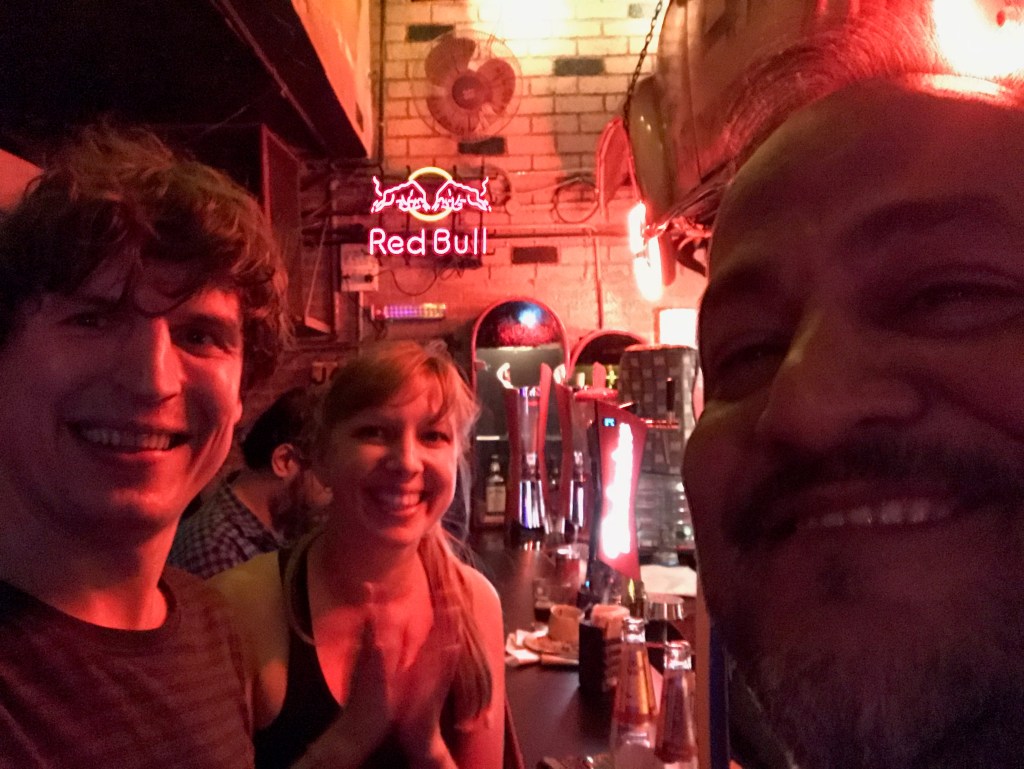
Craft beers are up and coming (the city of Pune is representing heavily) but only sold in certain places. While Kingfisher is more commonly available some places also have Kingfisher Ultra, which I prefer, a richer flavoured premium option that I’ve never seen outside India.
There’s a burgeoning wine scene in India now too, with one of their best wine producing regions in the country nearby. Again, it’s not cheap in Mumbai but you’ll be able to drink a good selection of Indian wines for around ₹750 (£8) each. There’s some really good flavours but there’s still a little way to go to match European and longer established wines for balance. As expected, European wines are way more expensive.
Architecture
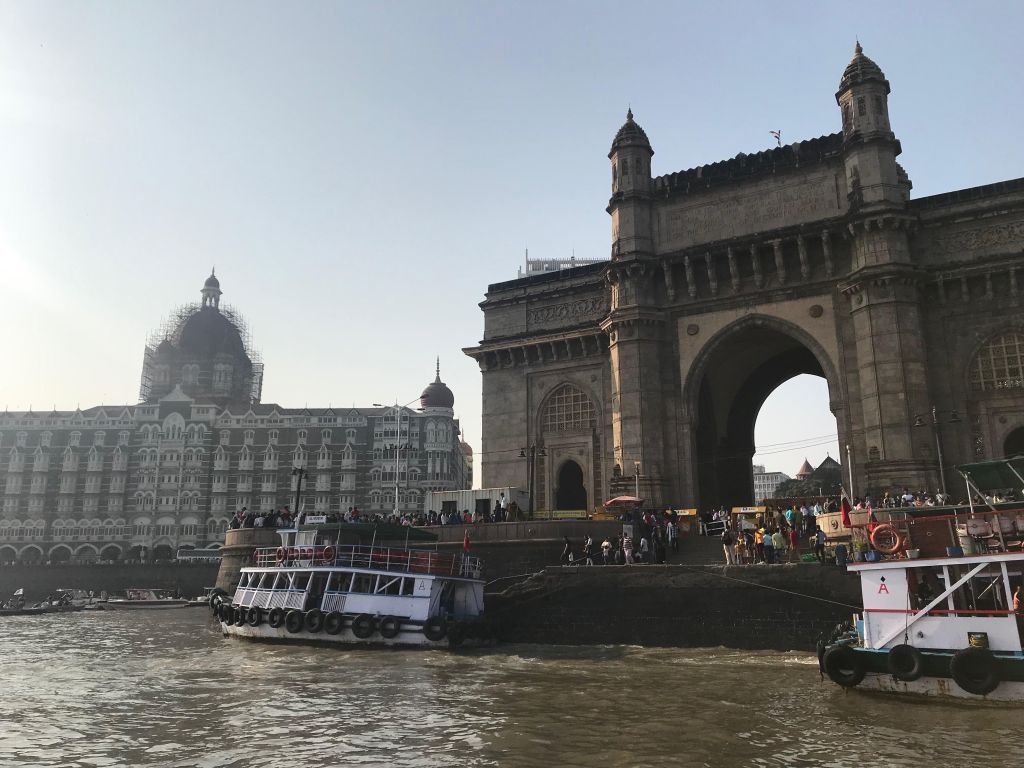
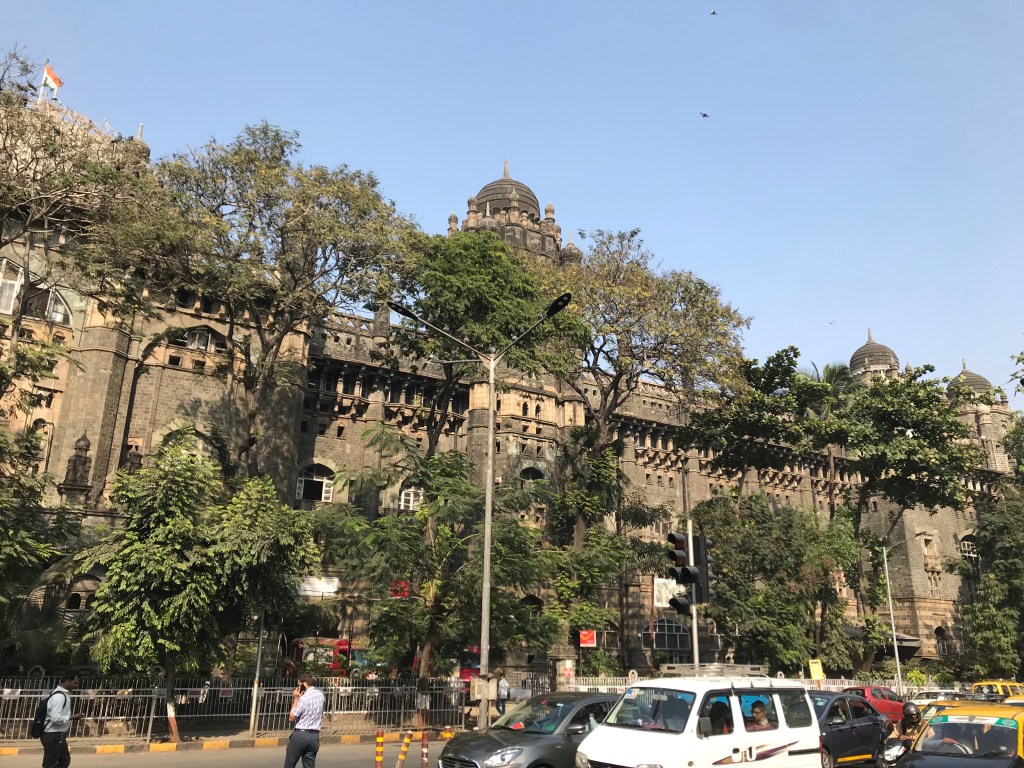
Mumbai is home to some of the greatest colonial-era architecture in the world, focused around the Fort and Colaba areas. The most famous are the Gateway to India and the Taj Mahal palace, pictured towards the top of this page, but there’s stunning palaces and administrative buildings everywhere you look round here, including the high court and the university.
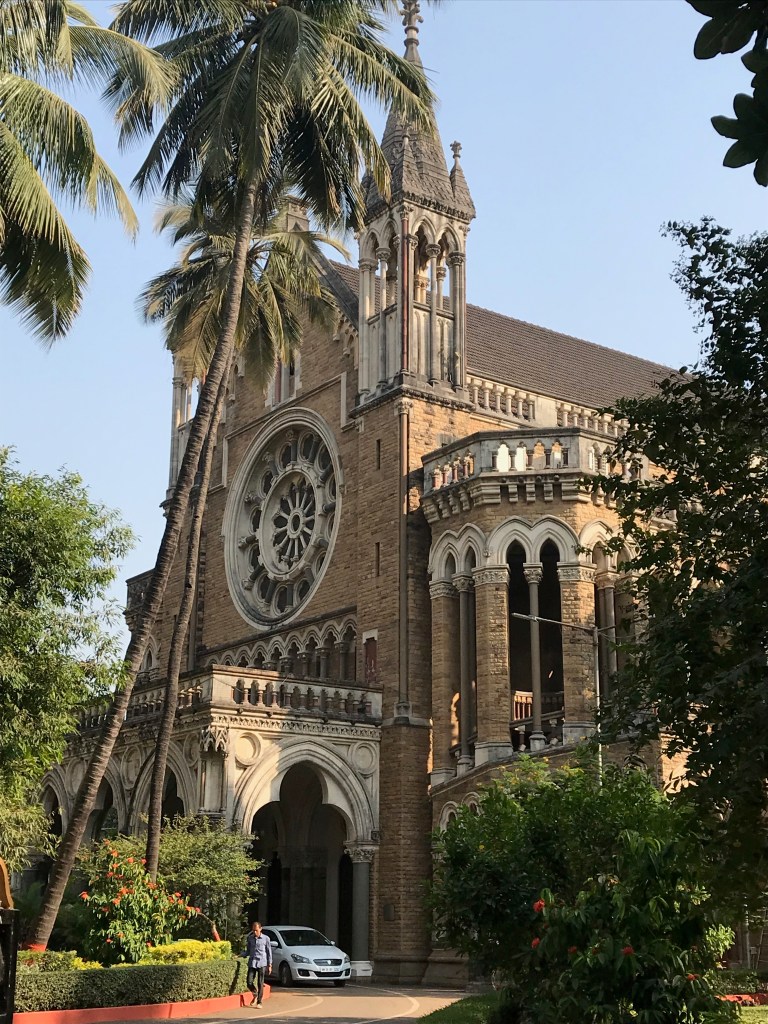
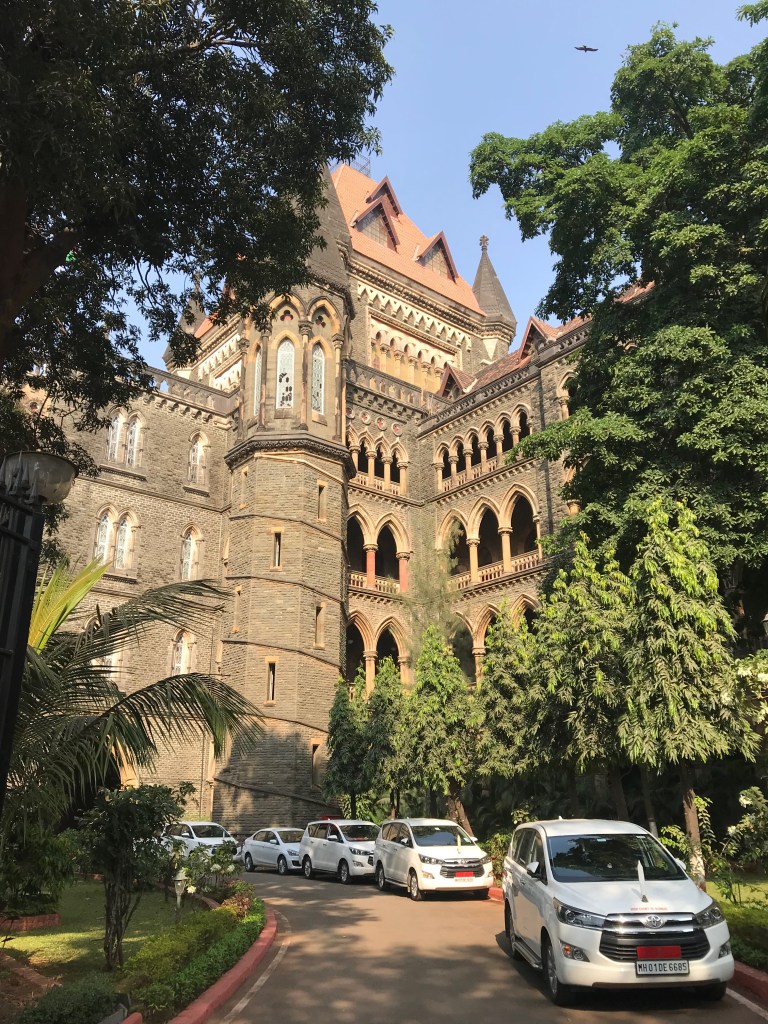
The old city is, funnily enough, also home to some amazing Art Deco architecture and this in combination with the Victorian architecture above is now a UNESCO World Heritage site (I have a feeling this is something you might hear a lot…..)
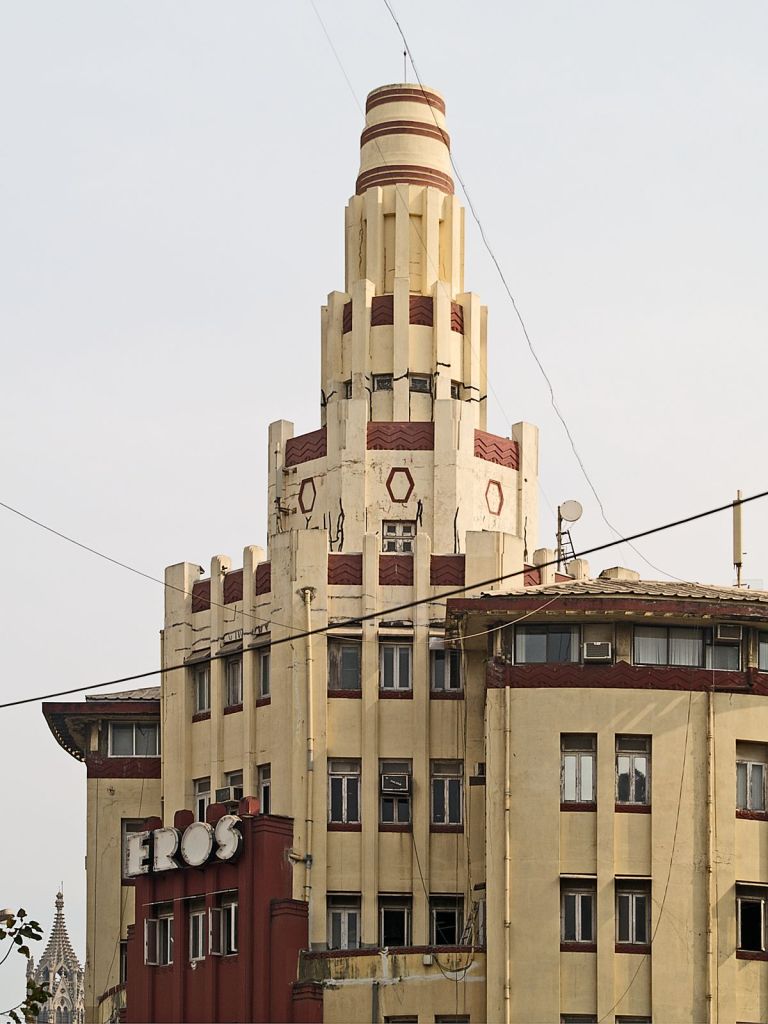
The Art Deco architecture here is focused on cinemas, office buildings, and residential buildings and was constructed while India was still part of the British Empire.
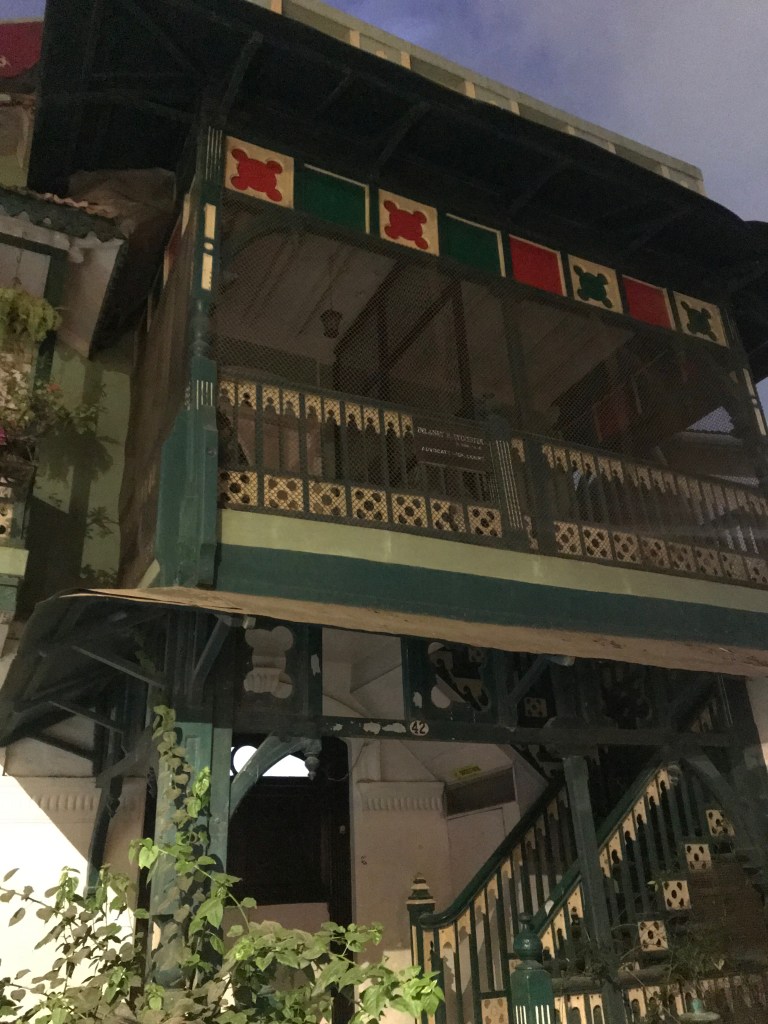
When you start going up north the architecture changes and you see more and more of the diverse communities that make up Mumbai. These include the tiny little hamlet of Khotachiwadi, an enclave of old Portuguese houses nestled within the rapidly modernising streets of Mumbai.
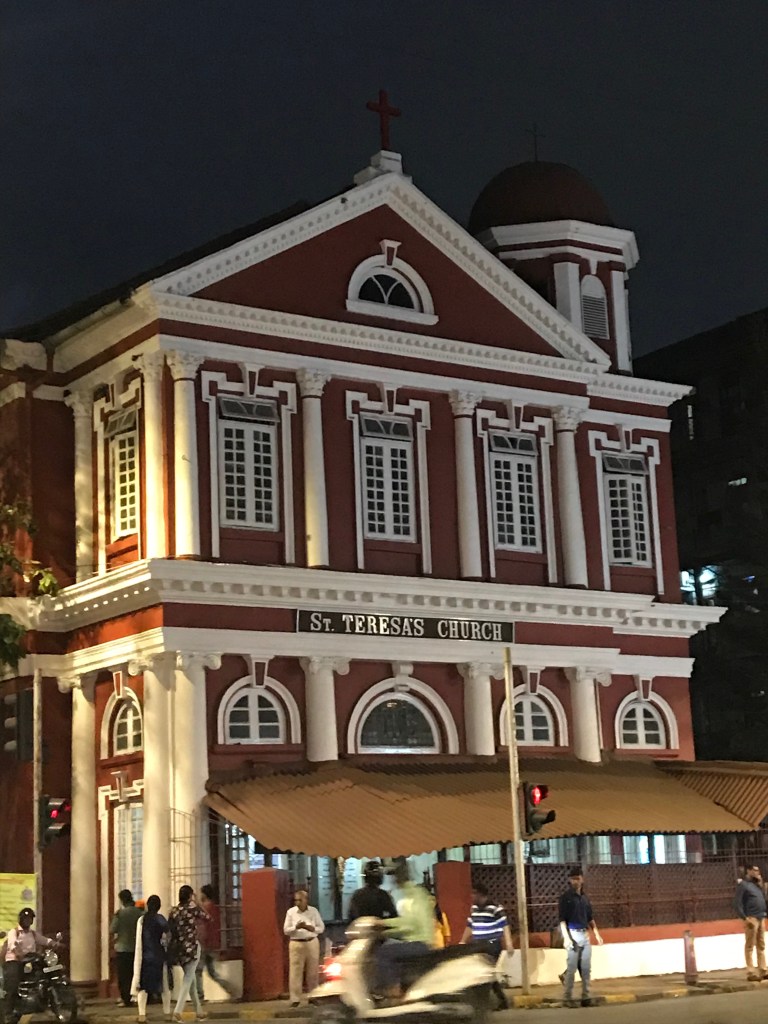
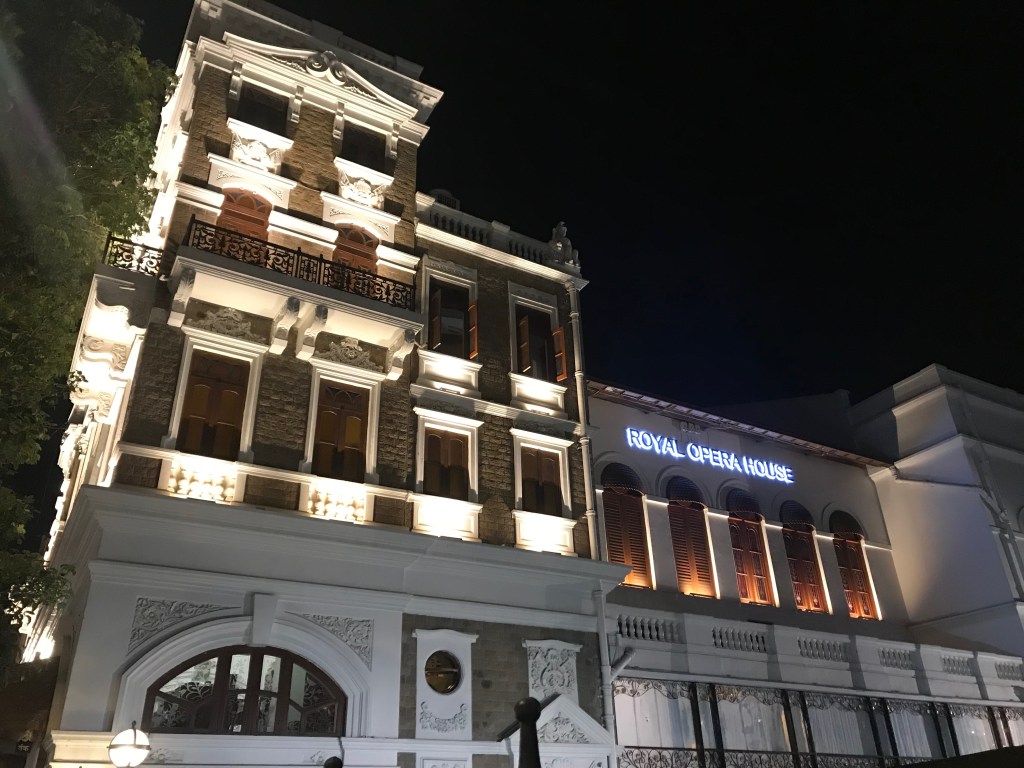
Heading north from Fort into the area between Chowpatty beach and Mahalaxmi, you’ll find an eclectic mash of buildings, including the Royal Opera House from the early 20th century, the magnificently grand triple domed Saifee Hospital, and the huge variety of religious buildings that either make themselves as conspicuous as possible or are nestled into the side streets, hidden from all but the most inquisitive eye.
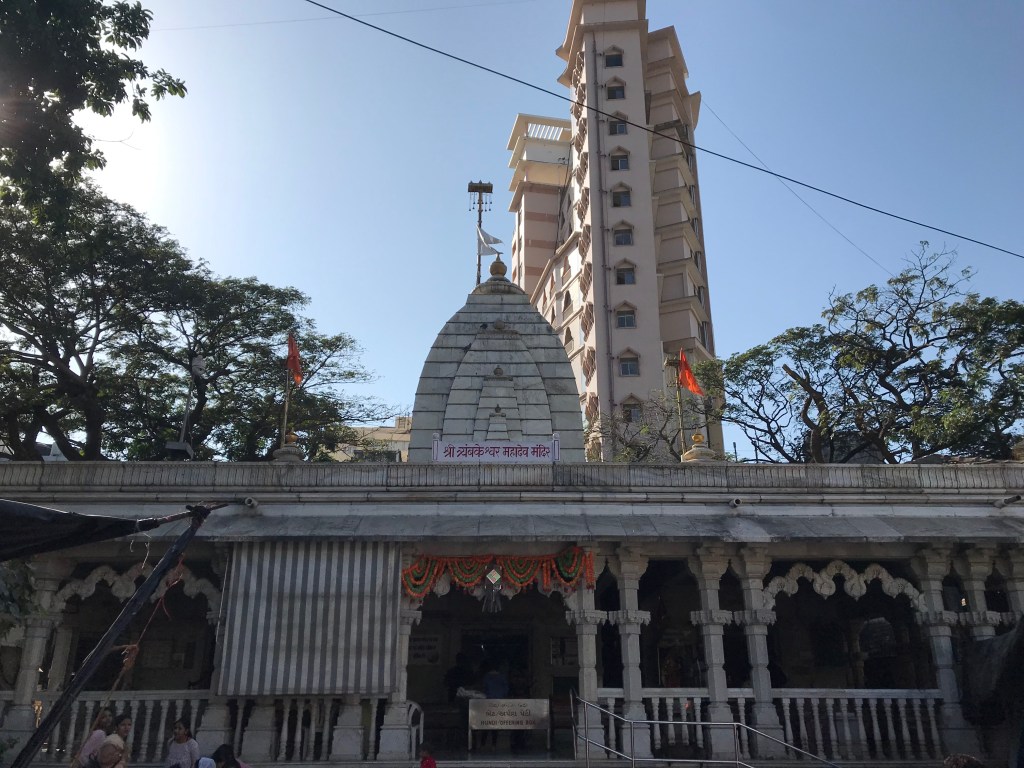
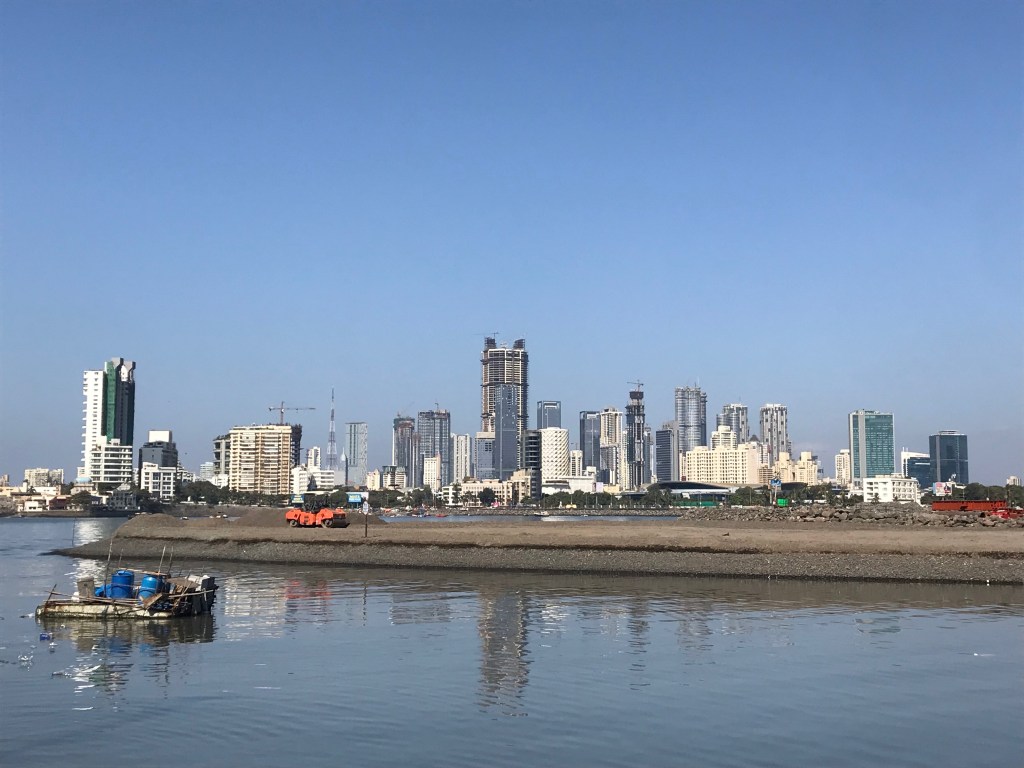
As you keep going north the modernisation continues, and from Mahalaxmi and the Haji Ali Dargh the imposing mass of skyscrapers looms across the rest of Mumbai as it stretches seemingly endlessly to the North.
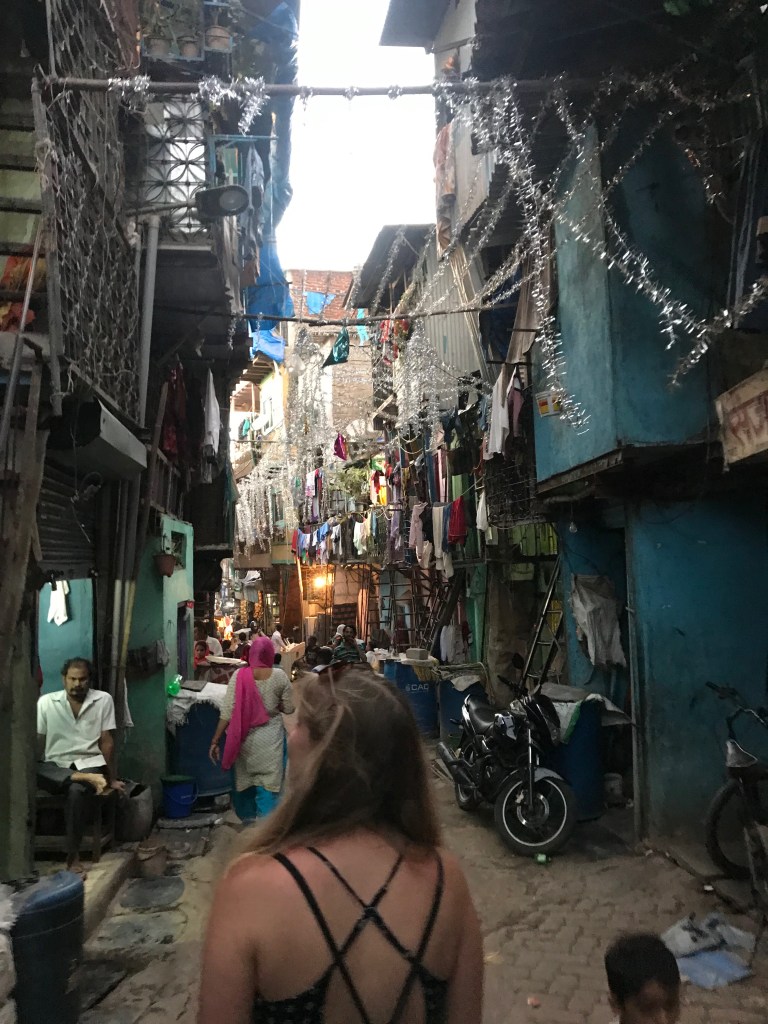
Between all of this, all over the city, lie the buildings that speak more of the lives of many of the locals here. Slums nestled in between railway tracks or highways, twisting alleys of ramshackle buildings supporting both families and entire communities as they struggle to work their way up and out of poverty. Streets lined with makeshift eateries or stalls, where energetic Mumbaikers hustle to continue their entrepreneurial spirit. Neighbourhoods where grandiose architecture hasn’t made it’s mark and streets consist of housing and shops for the locals. Mumbai really is a city of many faces, another visage waiting just around the corner.
The Parsis
Mumbai is home to the largest number of Parsis anywhere in the world. The Parsi people migrated East to India and Pakistan from Persia during the Muslim conquest of the 7th century CE. As a community they have very high literacy and employment rates compared to the rest of India and despite their relatively small numbers they have made a major impact on India. The Tata family, for one, are a Parsi family and their impact is evident across not just India but the rest of the world.
Throughout Mumbai you can see evidence of the Parsi way of life, from monuments set up dedicated to individuals, to Persian architecture on buildings, and the secretive fire temples that only Parsis are allowed to set foot in.
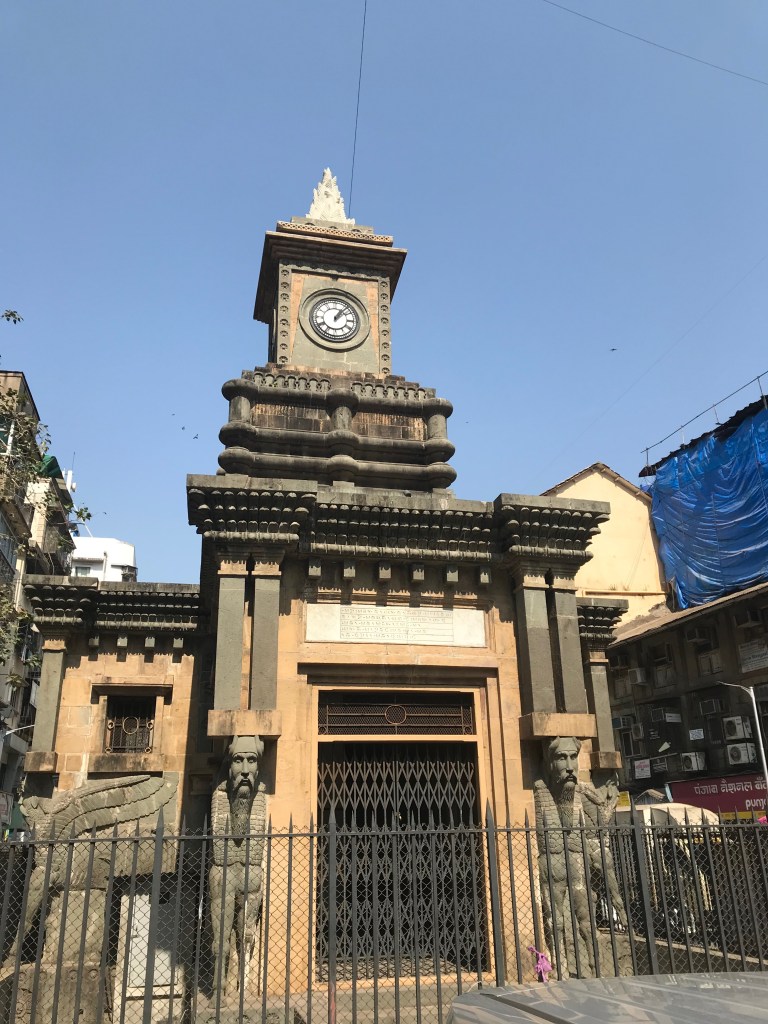
Unfortunately, Parsi numbers are rapidly declining and, due in part to the fact that you can’t convert to the Parsi faith, there are fears that in a few generations the Parsi religion will die out. The marriage rate of Parsis keeps dropping, particularly in urban and cosmopolitan areas and they are an aging population. While this isn’t something any of us can impact it is a reminder to appreciate what we can while it’s still here.
Our Highlights
- The food – A trip to Mumbai wouldn’t be complete without immersing yourself in the varied flavours of the city. Don’t be put off by scaremongering either and get involved with the street food!
- Sanjay Ghandi National Park – This is a welcome oasis from the hustle and bustle of Mumbai. We spent most of a day here but you could easily while away a week within it’s forests.
- The Architecture – It’s hard not to be impressed by the stunning examples of the architecture here, from the imposing Victorian colonial and Indo-Saracenic constructs, the towering Art Deco buildings across the older city, to the kaleidoscopic colour strewn architecture of the Hindu temples dotted around Mumbai.
- The diversity – Across the entire city you can see different people, religions, and histories all side by side. There’s a remarkable level of tolerance in Mumbai and a history of it too, stretching back to the first days of British rule here and their religious tolerance which led to many people migrating here.
What if we had more time?
Ten days in Mumbai seemed both like a lot and like barely scratching the surface. The same, I’m sure, is true of most cities though. Most people we chat to out here say they’d only spend a couple of days there but we saw new stuff every day and never got bored. It’s intense though, so bear that in mind if you’re planning a trip – after ten days we were both worn out and ready to go!
If we’d have had more time I would probably have spent a few days in the Dadar area, it’s right in the centre, where the Western and Eastern suburbs meet, and seems like it’s one of the modern cores to the city.
I’d also have gone to Gorai island and seen the Vispassana Pagoda, a massive 96m high golden structure, modelled on the Shwedagon Pagoda, Myanmar. I got to see this from the Kanheri caves, across the other side of the suburbs, but only through a pair of binoculars.
Talking of Kanheri, more time in the Sanjay Ghandi National Park would always be welcome. We went in the West entrance and there’s loads of trails and hikes we could have done if we’d had more time. There’s also an East entrance in Thane you could check out.
While we did go drinking and were out past midnight we didn’t get the chance to check out any of Mumbai’s nightclubs. A weekend on the town is something I’d definitely come back here for.
More than that, just checking out more of the restaurants, bars, and general vibe of the city!

